The Spray
Sailing a Century-Old Design Reveals the True Genius Behind Slocum’s Choice of Vessel
Explore the handling characteristics of Captain Joshua Slocum's 36-foot vessel Spray through practical experience...


Explore the handling characteristics of Captain Joshua Slocum's 36-foot vessel Spray through practical experience...
Discover why digital scans cannot replace the physical conservation of Captain Joshua Slocum's original maritime logs,...

Trace the exact geographical path of the Spray during its legendary global voyage. Explore historical weather patterns...

Explore the complete history of Captain Joshua Slocum's merchant marine commands before 1895, from the Northern Light...

Good maritime history depends on patient handling. A port entry, a newspaper notice, a family letter, a hull drawing, a worn copy of Sailing Alone Around the World: each item can be small on its own. Set beside the others, it begins to show how Slocum’s achievement moved from lived seamanship into public memory.

In our programs, the archive is treated as a working collection, not a trophy case. Researchers come looking for dates, vessel names, routes, and language that has survived in uneven form. Sailors come looking for lineage. Readers often arrive through the memoir, then discover the practical man behind the prose.
The archive and registry serve different needs, but they depend on the same habit: respect the source before drawing the conclusion.
The Solo Circumnavigators Registry is built around verification, not admiration. A sailor’s courage matters, but the entry still needs a route, a vessel, a chronology, and enough surviving evidence to place the passage responsibly among other solo global circumnavigations.
One file may begin with a clean landfall record. Another may start with a battered clipping and a logbook page photographed years after the voyage. Older passages can leave thin paper trails, so entries are assessed by the strength and consistency of the surviving evidence rather than treated as identical.

That method keeps the registry useful for historians and fair to sailors. It also prevents a common mistake in sailing lore: repeating a claim until it feels official. The Society’s registry work favors traceable documentation, careful language, and visible criteria.
Ports, ocean passages, departure and arrival records, and reported positions help reconstruct the voyage without flattening its hard edges.
Single-handed passages require attention to assistance, crew status, repairs, and continuity across the circumnavigation.
The registry is written for public use, so conclusions are kept clear and corrections remain part of the discipline.
Most visitors enter through one door: Slocum’s biography, the Spray, the memoir, or the registry. The work connects quickly. A question about the sloop’s rig can lead to a passage in the book; a passage in the book can point back to a port record or a later sailor’s chosen route.

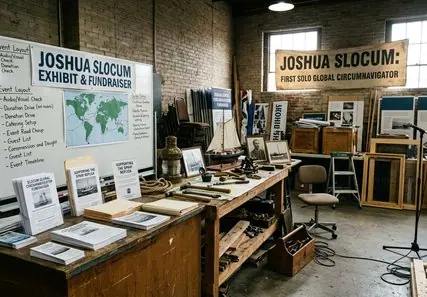
Biographical archives, timelines, and records from the life of the first solo global circumnavigator.
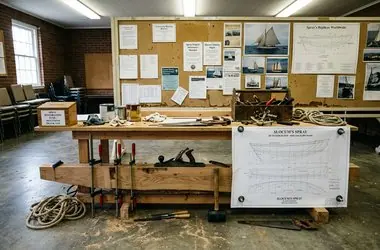
Specifications, design notes, replica history, and close reading of Slocum’s famous 36-foot oyster sloop.
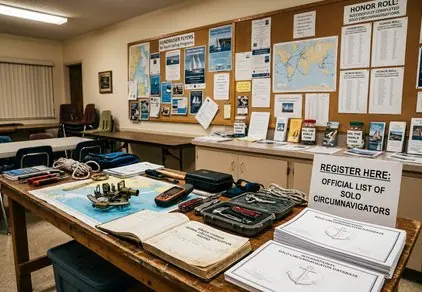
The internationally recognized registry of sailors who have completed solo global circumnavigations.
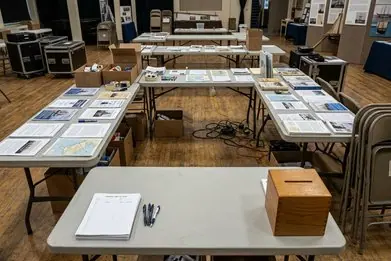
Chapter analysis, publication history, and the literary afterlife of Slocum’s 1900 maritime memoir.
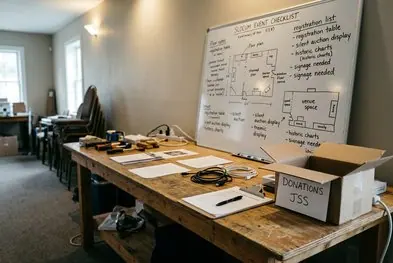
Preservation notes, collection updates, historical documents, and Society stewardship records.
Archival work rarely looks dramatic. It is a table cleared before a fragile document is opened, a filename checked twice, a vessel name compared against three spellings, and a decision to leave uncertainty visible when the record demands it.

The Society’s contributors bring maritime history, naval architecture, archival description, literature, and route analysis into the same room. That mix matters. Slocum cannot be understood only as a literary figure, and the Spray cannot be treated only as an object of romance.
Researchers who need a practical starting point often begin with the technical overview of the Spray or the early-life archive for Slocum. Registry questions belong with the published criteria, where the rules can be read before a claim is submitted or challenged.
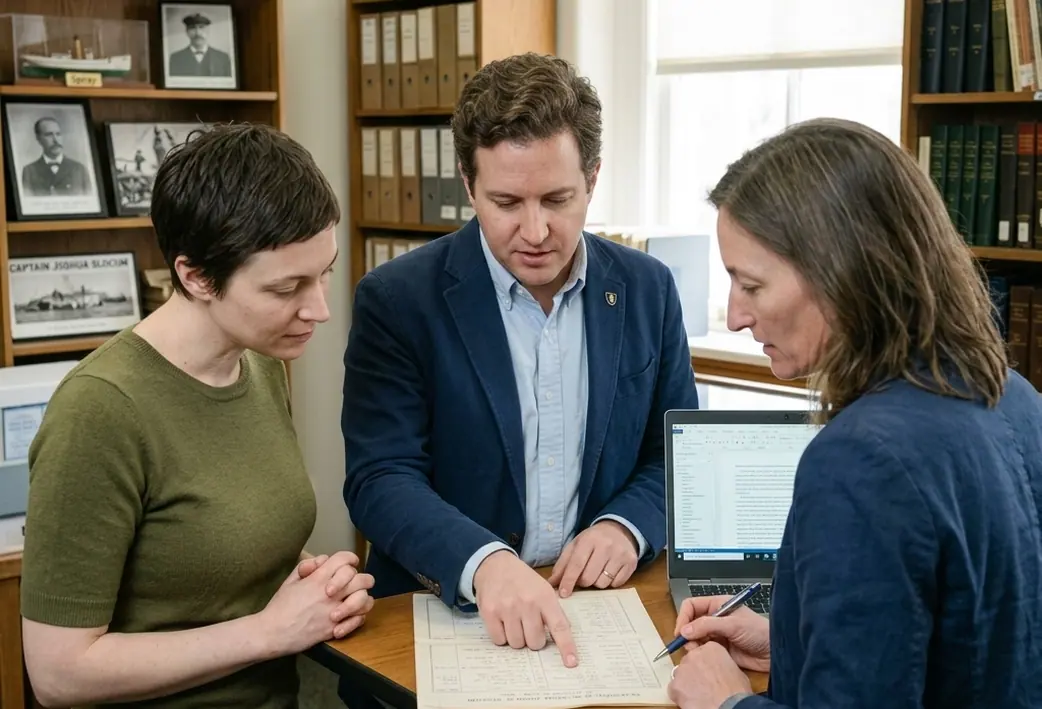
Maritime historians, naval architecture specialists, archivists, registry analysts, and literature scholars maintain the Society’s public record with attention to evidence, seamanship, and historical context.